Category: Cookware

  • The Art of Seasoning: How to Prepare and Maintain Cast Iron and Carbon Steel Cookware

    The Art of Seasoning: How to Prepare and Maintain Cast Iron and Carbon Steel Cookware

    Seasoning is the heart and soul of cast iron and carbon steel cookware. It’s what transforms a simple pan into a durable, non-stick surface that gets better with age. For adventurous cooks, mastering this process is the first step toward creating culinary masterpieces. In this guide, we’ll explore the basics of seasoning, common pitfalls to avoid, and the essential tips for maintaining your cookware.

    What is Seasoning, and Why is it Important?

    Seasoning is the process of bonding a layer of oil to your cookware’s surface through heat. This creates a natural, protective layer that:

    • Prevents rust.
    • Enhances non-stick properties.
    • Improves flavor with every use.


    Unlike non-stick coatings, a seasoned surface can last a lifetime with proper care and even improve over time.

    How to Season Your Cookware

    Here’s a simple, foolproof method for seasoning your cast iron or carbon steel cookware:

    1. Clean the Surface:
    Wash your cookware with warm water and a small amount of dish soap. Use a scrub brush or steel wool if necessary to remove factory residue or rust.

    2. Dry Completely:
    Thoroughly dry your pan with a towel and place it over low heat for a few minutes to remove any lingering moisture.

    3. Apply Oil:
    Use a high-smoke-point oil like flaxseed, grapeseed, or vegetable oil. Apply a thin, even coat over the entire surface, including the handles and exterior.

    4. Bake It:
    Preheat your oven to 450°F (232°C). Place the cookware upside down on the oven rack (with a baking sheet below to catch drips) and bake for 1 hour. Let it cool in the oven.

    5. Repeat:
    For a stronger seasoning layer, repeat the oiling and baking process 2–3 times.

    Common Seasoning Mistakes to Avoid

    Too Much Oil: A thick coat can result in a sticky residue. Always wipe off excess oil before baking.

    Skipping the Pre-Clean: Residue or moisture left on the pan can prevent proper seasoning.

    Neglecting Maintenance: Seasoning isn’t a one-and-done process. Occasional care is essential.

    Caring for Your Seasoned Cookware

    To keep your cookware in top shape, follow these maintenance tips:

    1. Clean Carefully:
    Avoid harsh soaps (occasionally using mild soap is ok) and abrasive scrubbers. Use warm water and a soft sponge or a scraper to remove stuck-on food.

    2. Dry Immediately:
    After washing, dry your cookware thoroughly and apply a thin coat of oil to the surface while it’s still warm.  Be sure to wipe off any excess oil.

    3. Store Properly:
    Keep your cookware in a dry place, and consider adding a paper towel between stacked pieces to protect the surface and prevent moisture buildup.

    The Cultural Roots of Seasoning

    Seasoning isn’t just about function—it’s a tradition passed down through generations. From Chinese woks to French skillets, cultures worldwide have embraced the art of building and maintaining cookware seasoning as part of their culinary heritage.

    Ready to Dive Deeper?

    By mastering the art of seasoning, you’ll not only enhance your cookware’s performance but also connect with the timeless traditions of cooking. Stay tuned to Sizzlito for more tips, recipes, and cultural insights to inspire your culinary adventures.

    Seasoning is a journey, not just a task. For a complete, step-by-step guide with visuals, expert tips, and cultural insights, download our free eBook, “The Ultimate Guide to Cast Iron and Carbon Steel Cookware Care” by signing up for our newsletter.
  • 5 Ways to Cook with a Wok Besides Stir-Fry

    5 Ways to Cook with a Wok Besides Stir-Fry

    When you think of a wok, your mind might immediately jump to the sizzling sounds and vibrant visuals of stir-fried vegetables and noodles. While stir-frying is one of the wok’s most famous uses, this versatile kitchen tool is capable of much more. From steaming delicate dumplings to smoking tender cuts of meat, the wok’s design lends itself to a wide variety of cooking techniques that span global cuisines. 

    Here are five exciting ways to use your wok beyond stir-fry, complete with techniques and dish examples to inspire your next culinary adventure.


    1. Steaming: The Gentle Touch

    Steaming in a wok is not only simple but also one of the healthiest ways to cook. The wok’s deep, wide shape allows for even heat distribution and ample room to steam a variety of foods. Using a bamboo steamer or metal rack, you can gently cook everything from seafood to desserts.

    How to Steam in a Wok:

    1. Add 2-3 inches of water to the wok and bring it to a gentle boil.

    2. Place a bamboo or metal steamer over the water, ensuring the food is not submerged.

    3. Cover the wok with a tight-fitting lid to trap the steam.

    Dishes to Try:

    Dim Sum Dumplings: These bite-sized delights, filled with pork, shrimp, or vegetables, are a staple of Cantonese cuisine.

    Steamed Whole Fish: Seasoned with ginger, soy sauce, and scallions, this dish is flavorful and light.

    Custard Buns: Soft and pillowy steamed buns with a sweet, creamy filling.

    Steaming in a wok is ideal for preserving the natural flavors and nutrients of your ingredients, making it a perfect method for health-conscious cooks.


    2. Deep-Frying: Crispy Perfection

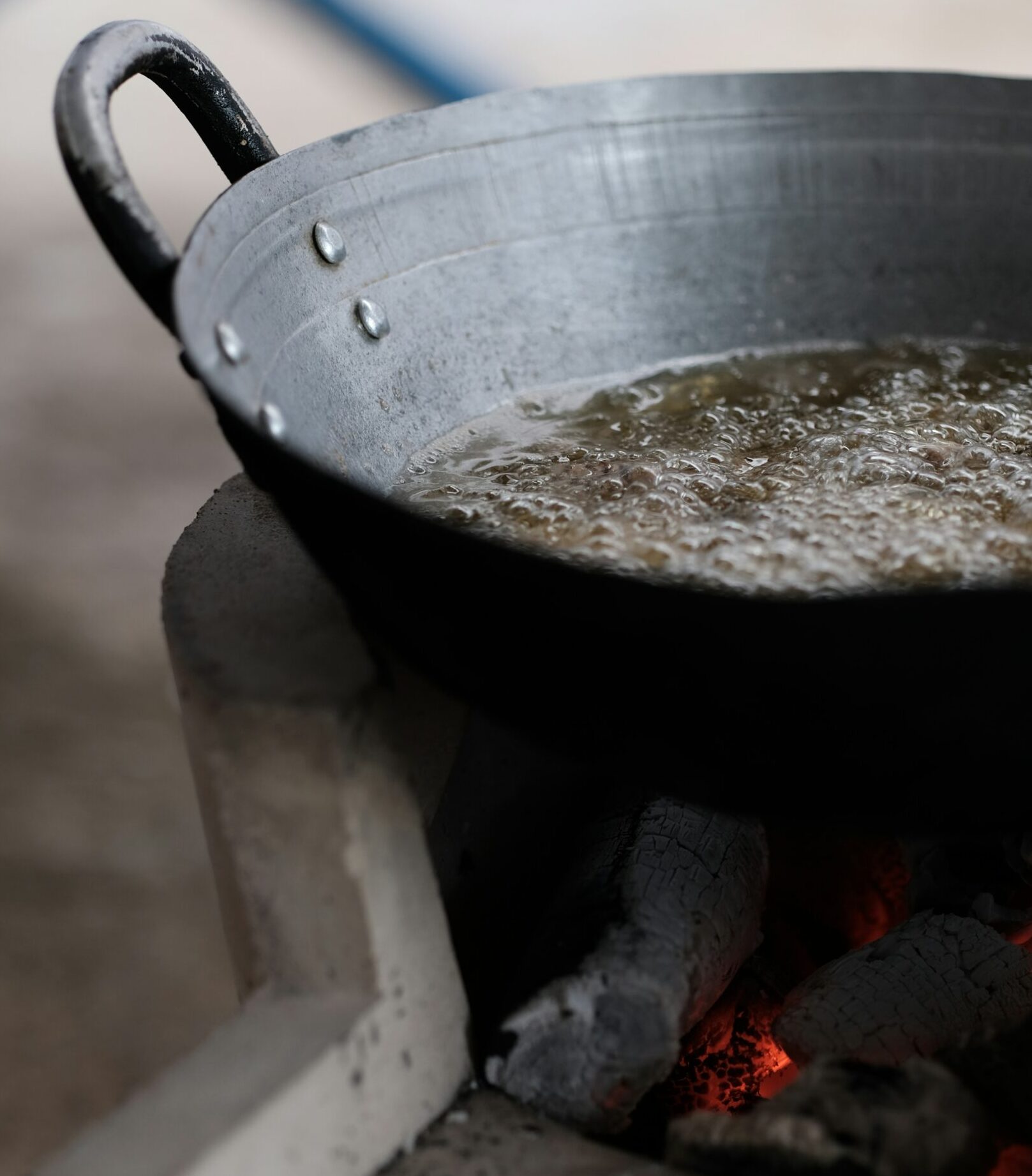
    The wok’s sloped sides make it an excellent vessel for deep-frying. Unlike a traditional pot, the wok uses less oil while still providing enough depth for frying, making it efficient and economical.

    How to Deep-Fry in a Wok:

    1. Heat oil in the wok to the desired temperature (usually 350-375°F).

    2. Carefully add your ingredients in small batches to avoid overcrowding.

    3. Fry until golden brown, then remove and drain on paper towels.

    Dishes to Try:

    Tempura Vegetables: Lightly battered and fried, these are crisp on the outside and tender within.

    Spring Rolls: Filled with a mix of meat and vegetables, these are crunchy and satisfying.

    Fried Tofu: Perfectly crispy tofu cubes that are great as a snack or addition to salads.

    Deep-frying in a wok allows for precise control of the oil and ensures evenly cooked, golden-brown results every time.


    3. Smoking: Infusing Bold Flavors

    Smoking in a wok is an underrated yet transformative cooking method. Using a combination of rice, sugar, and tea leaves or wood chips, you can create a smoky environment that infuses foods with rich, complex flavors.

    How to Smoke in a Wok:

    1. Line the bottom of the wok with aluminum foil. Add a mixture of uncooked rice, sugar, and tea leaves (or wood chips) to create the smoking material.

    2. Place a wire rack above the mixture and arrange your ingredients on it.

    3. Cover the wok tightly with a lid or additional foil to trap the smoke. Heat on medium until the smoke starts to develop.

    Dishes to Try:

    Tea-Smoked Duck: A Chinese classic with a deep, smoky aroma.

    Smoked Salmon: A gourmet treat that’s surprisingly easy to make at home.

    Smoked Eggplant: Smoky and tender, perfect for dips like baba ganoush.

    Smoking with a wok is a creative way to add a unique twist to traditional dishes, making it a must-try technique for adventurous cooks.


    4. Braising and Stewing: Slow and Flavorful

    Thanks to its spacious design, the wok is excellent for slow cooking methods like braising and stewing. The even heat distribution ensures your ingredients cook uniformly, while the wide surface area allows for easy evaporation and thickening of sauces.

    How to Braise or Stew in a Wok:

    1. Sear your ingredients in the wok to develop flavor.

    2. Add your liquid (broth, wine, or sauce) and aromatics.

    3. Cover the wok and simmer over low heat until the ingredients are tender.

    Dishes to Try:

    Braised Pork Belly: Cooked in soy sauce, sugar, and spices, this dish is melt-in-your-mouth tender.

    Beef Rendang: A slow-cooked Indonesian curry with a rich, coconut-based sauce.

    Vegetarian Hot Pot: A medley of vegetables and tofu simmered in a flavorful broth.

    Braising and stewing in a wok are perfect for creating comforting, hearty meals that pack a punch of flavor.


    5. Pan-Roasting and Baking: A Surprising Twist

    While less traditional, the wok can be used for pan-roasting or even baking certain dishes. Its ability to maintain high, even heat makes it a great alternative to an oven or roasting pan.

    How to Pan-Roast or Bake in a Wok:

    1. Preheat the wok on medium-high heat and add a small amount of oil.

    2. Arrange your ingredients in a single layer and cook slowly, flipping as needed.

    3. For baking, use a lid to trap heat and create an oven-like effect.

    Dishes to Try:

    Roasted Nuts: Almonds, cashews, or peanuts roasted with spices for a quick snack.

    Flatbreads: Indian naan or Middle Eastern pita can be cooked directly in the wok.

    Shakshuka: Eggs baked in a spiced tomato sauce, finished with herbs and cheese.

    Pan-roasting and baking in a wok allow you to experiment with unconventional cooking techniques, proving its versatility yet again.


    Conclusion

    The wok is so much more than a stir-fry tool—it’s a powerhouse of culinary creativity. From steaming delicate dumplings to smoking rich cuts of meat, this versatile cookware can handle a wide range of techniques and dishes. By exploring these methods, you’ll not only expand your cooking repertoire but also make the most out of your wok.

    Ready to try something new? Whether you’re braising a hearty stew or smoking a gourmet salmon fillet, the wok has you covered. So dust off your wok, experiment with these techniques, and let your kitchen adventures begin!